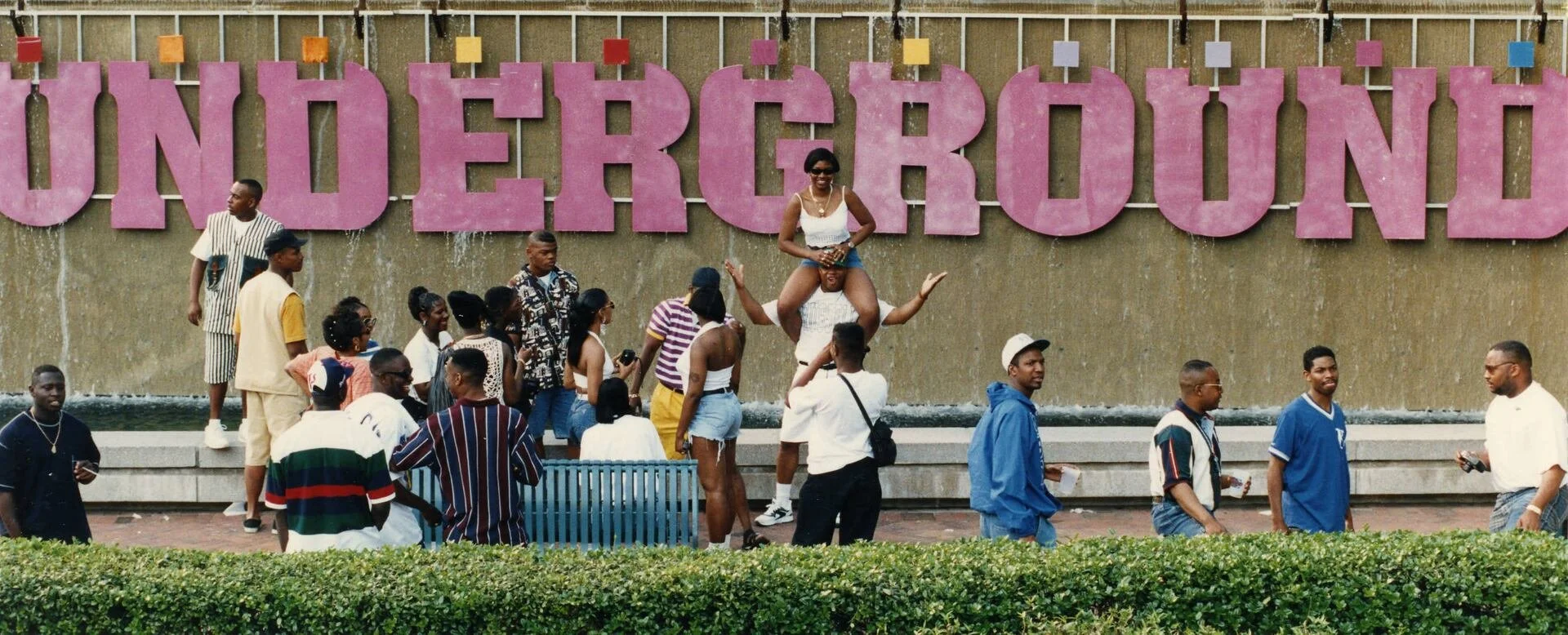
OUR HISTORY
1836–1860s
The Railroad Era & Zero Milepost
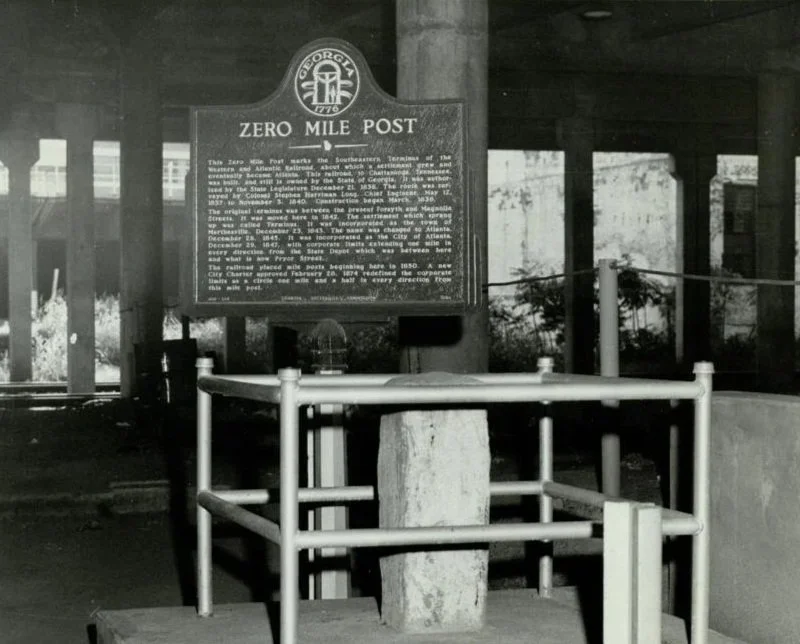
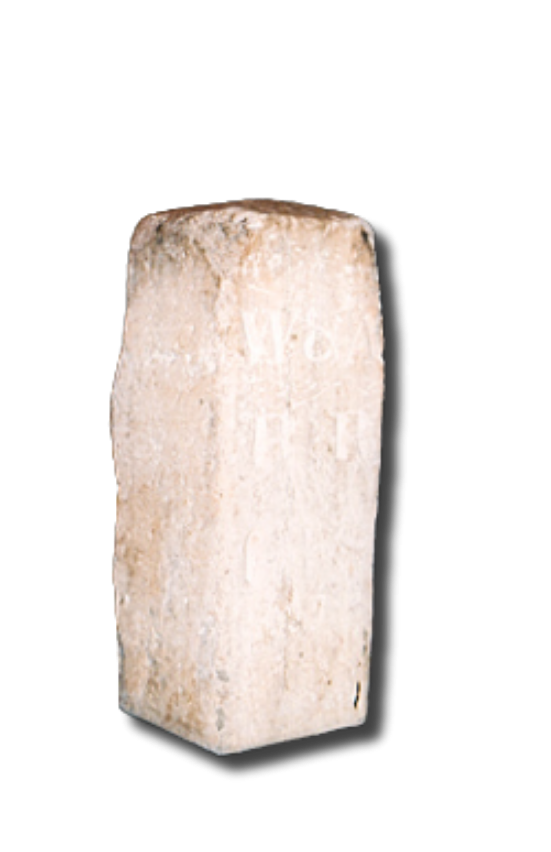
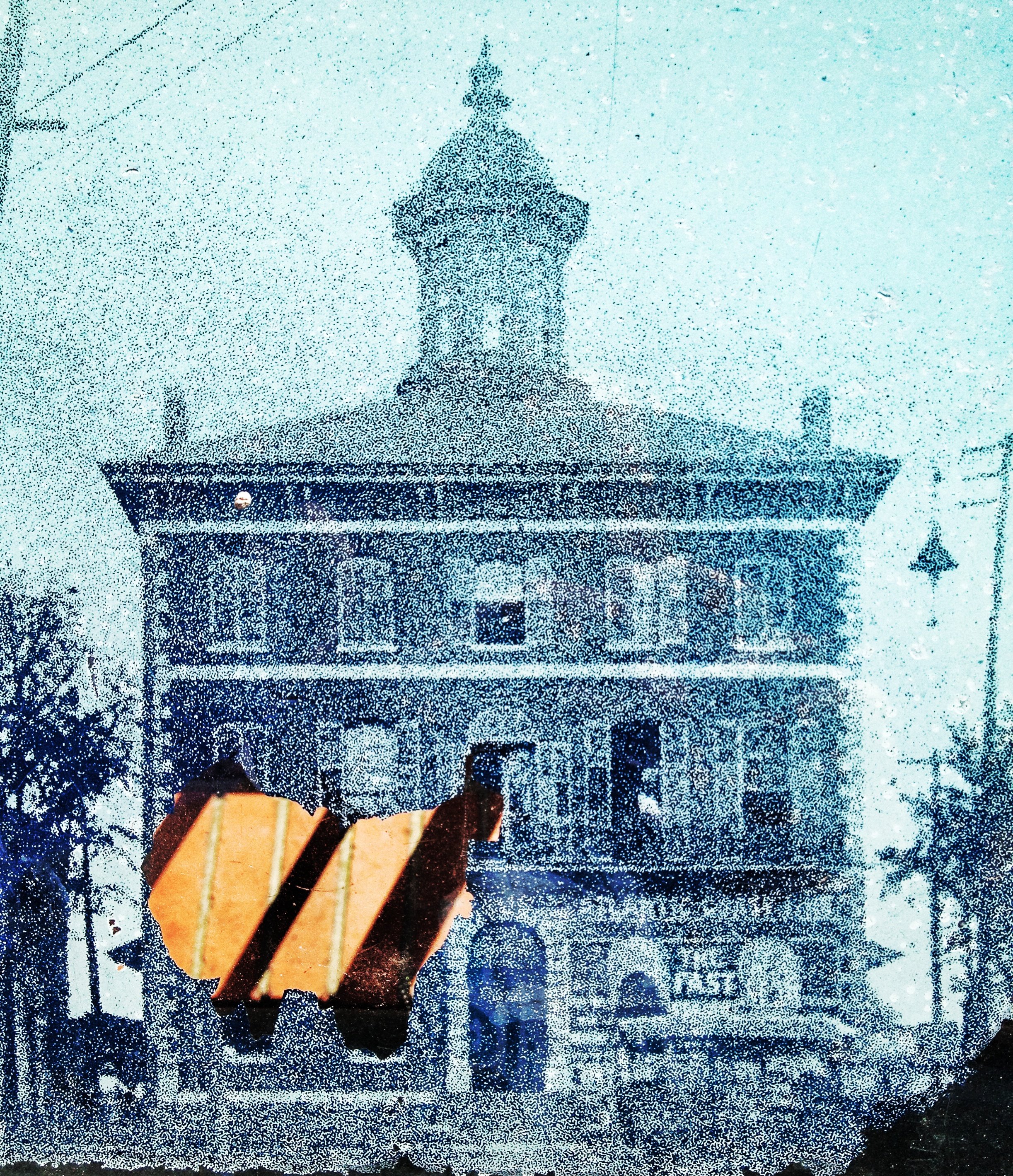
In 1837, the Western & Atlantic Railroad marked its southern terminus in downtown Atlanta with the Zero Milepost. The surrounding blocks along Alabama Street quickly grew into the city's primary retail, freight, and trade center.
1866–1870s
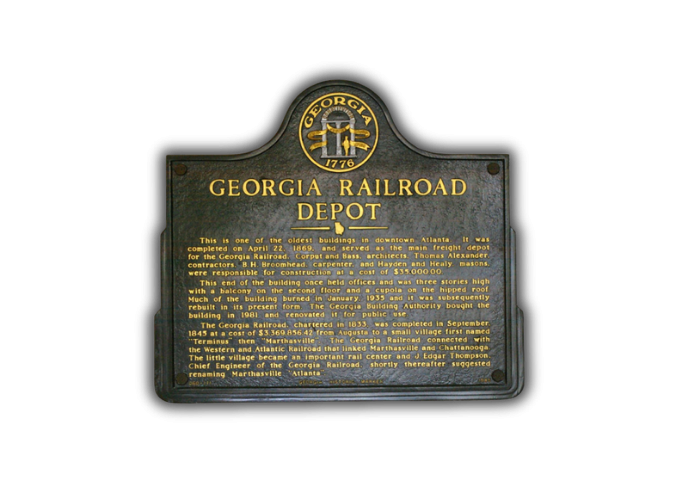
Reconstruction Boom
Following Civil War destruction, Atlanta rebuilt rapidly. In 1869, the Georgia Railroad Freight Depot was completed. Today, its remaining structure stands at the entrance of Underground Atlanta as the oldest surviving building in downtown Atlanta.
1928–1929
Bridging the Tracks
(Viaduct Construction)
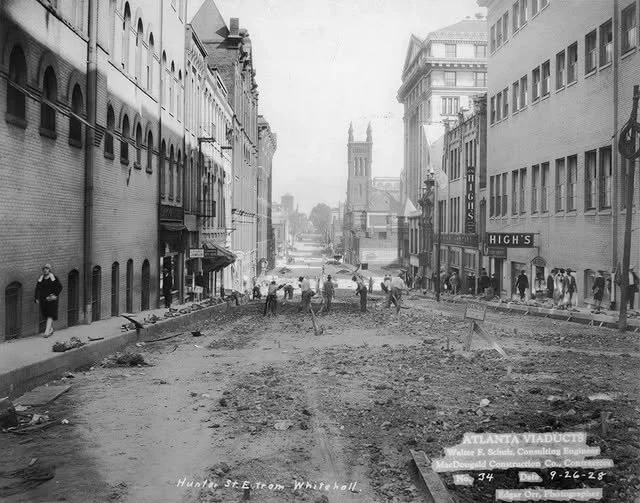
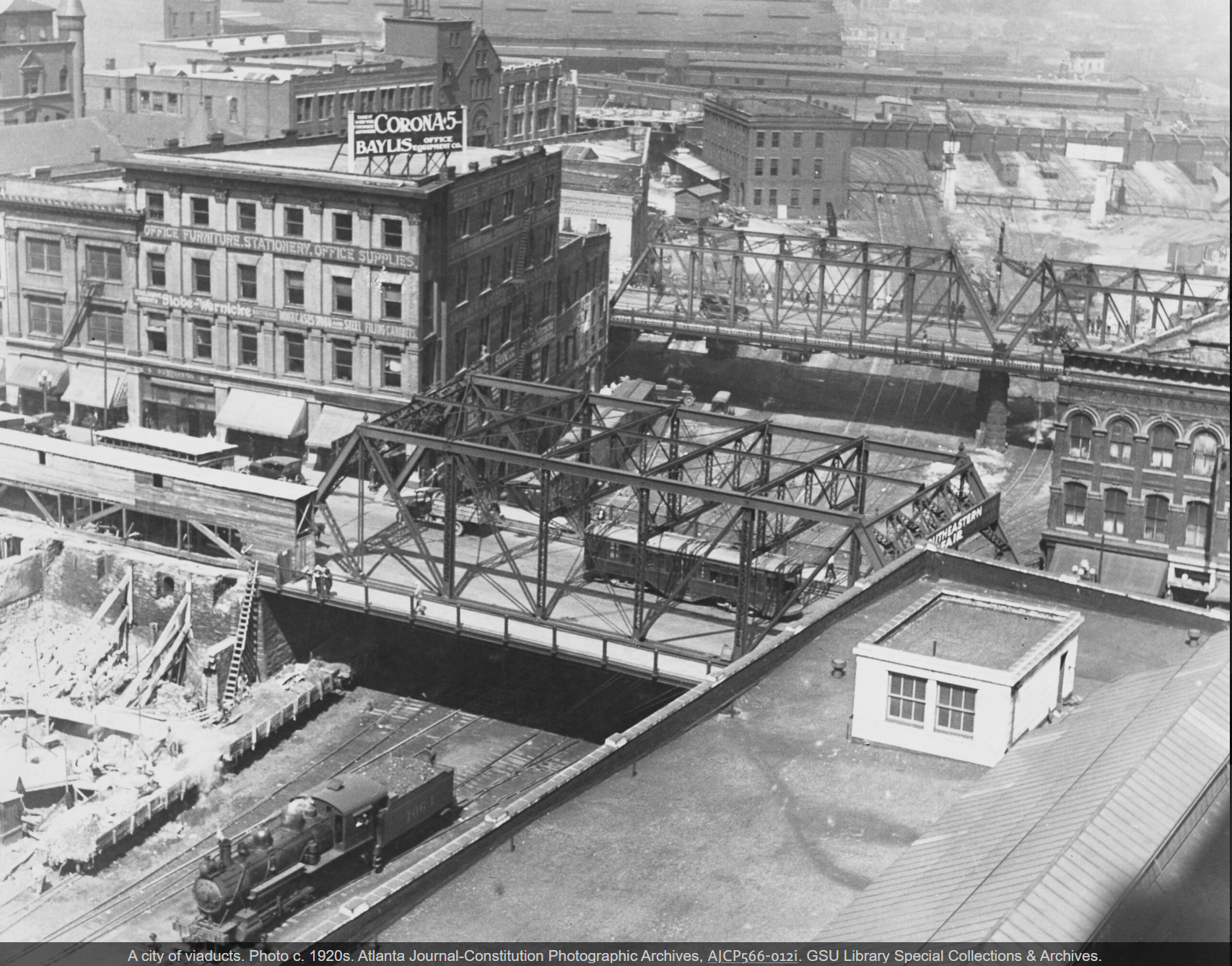
To bypass heavy rail traffic and gridlock, Atlanta constructed a series of concrete viaducts over the railroad tracks, raising street level by one to two stories. Merchants moved their main storefronts to the upper level, leaving the original 19th-century brick facades, stone arches, and cobblestones sealed beneath.
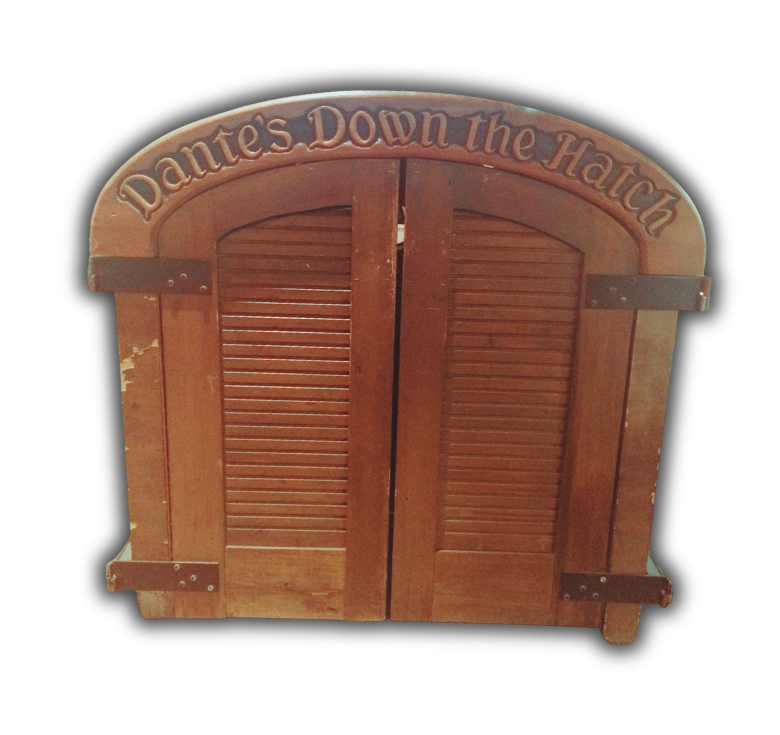
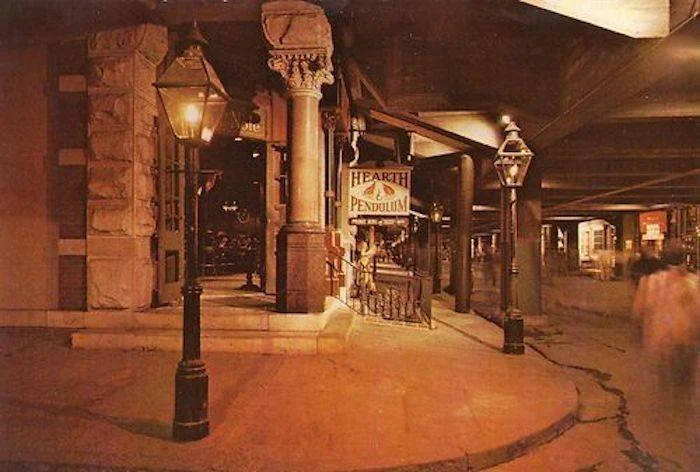
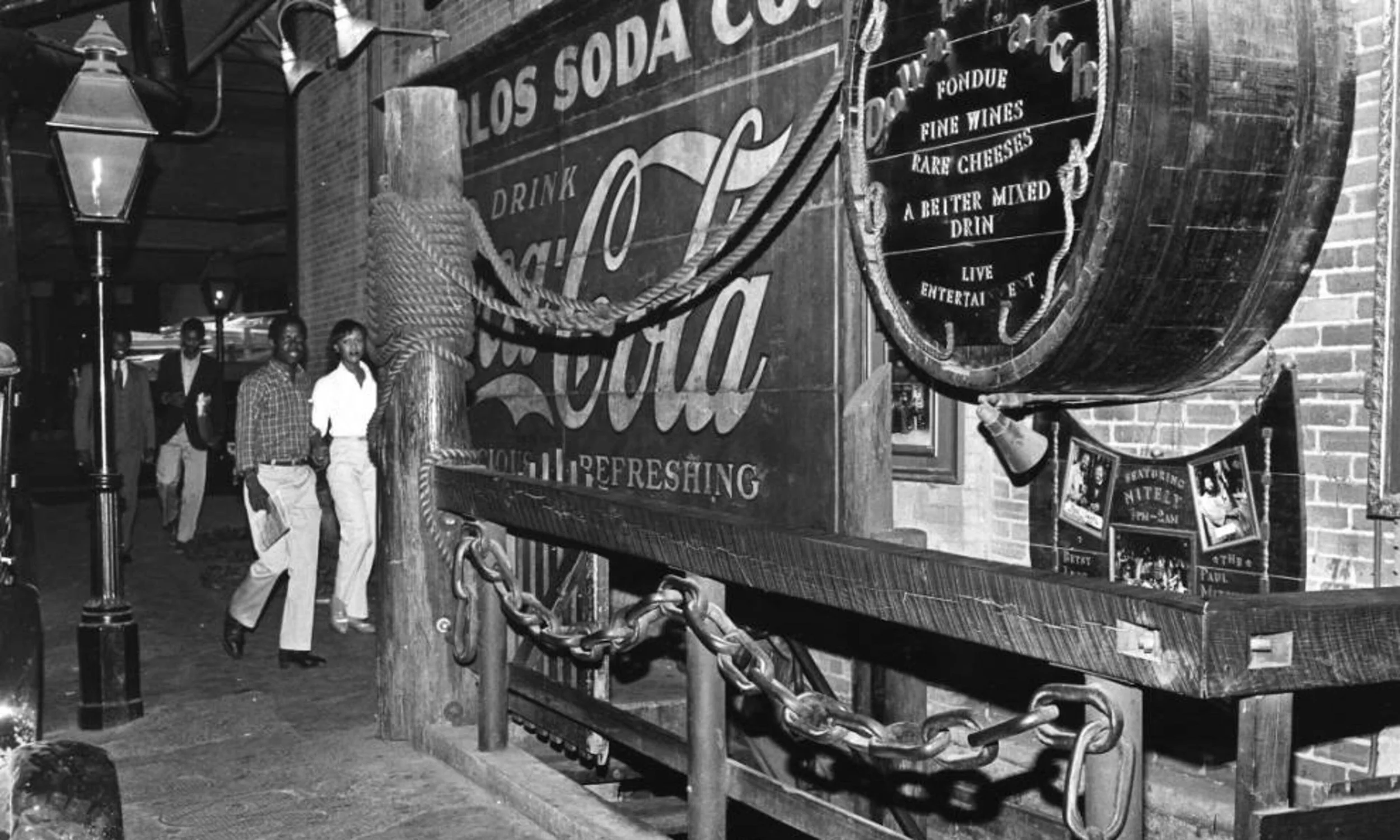
On April 8, 1969, developers officially reopened the subterranean level as an entertainment district featuring jazz clubs, speakeasies, restaurants, and restored gas lamps. The area was placed on the National Register of Historic Places in 1980 shortly before closing due to suburban competition and economic shifts.
1969–1980
First Entertainment District Era
1989–1996
Festival Marketplace Reopening
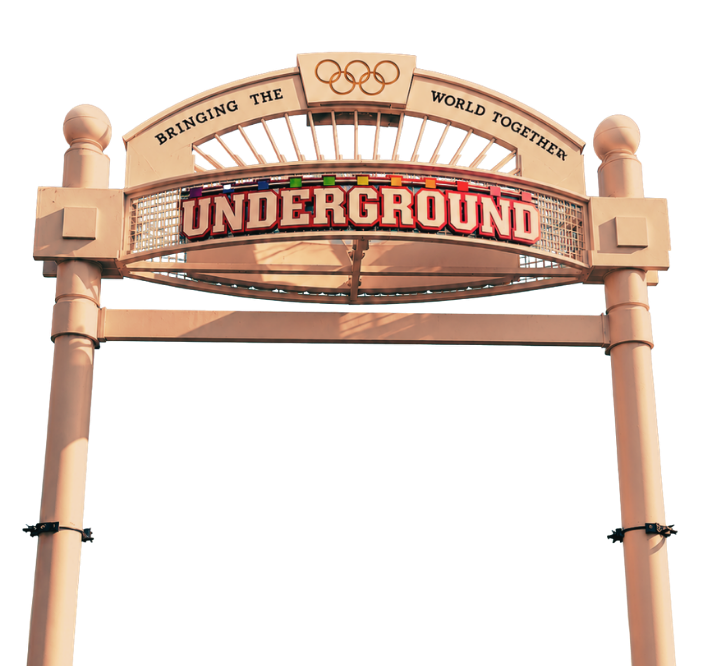
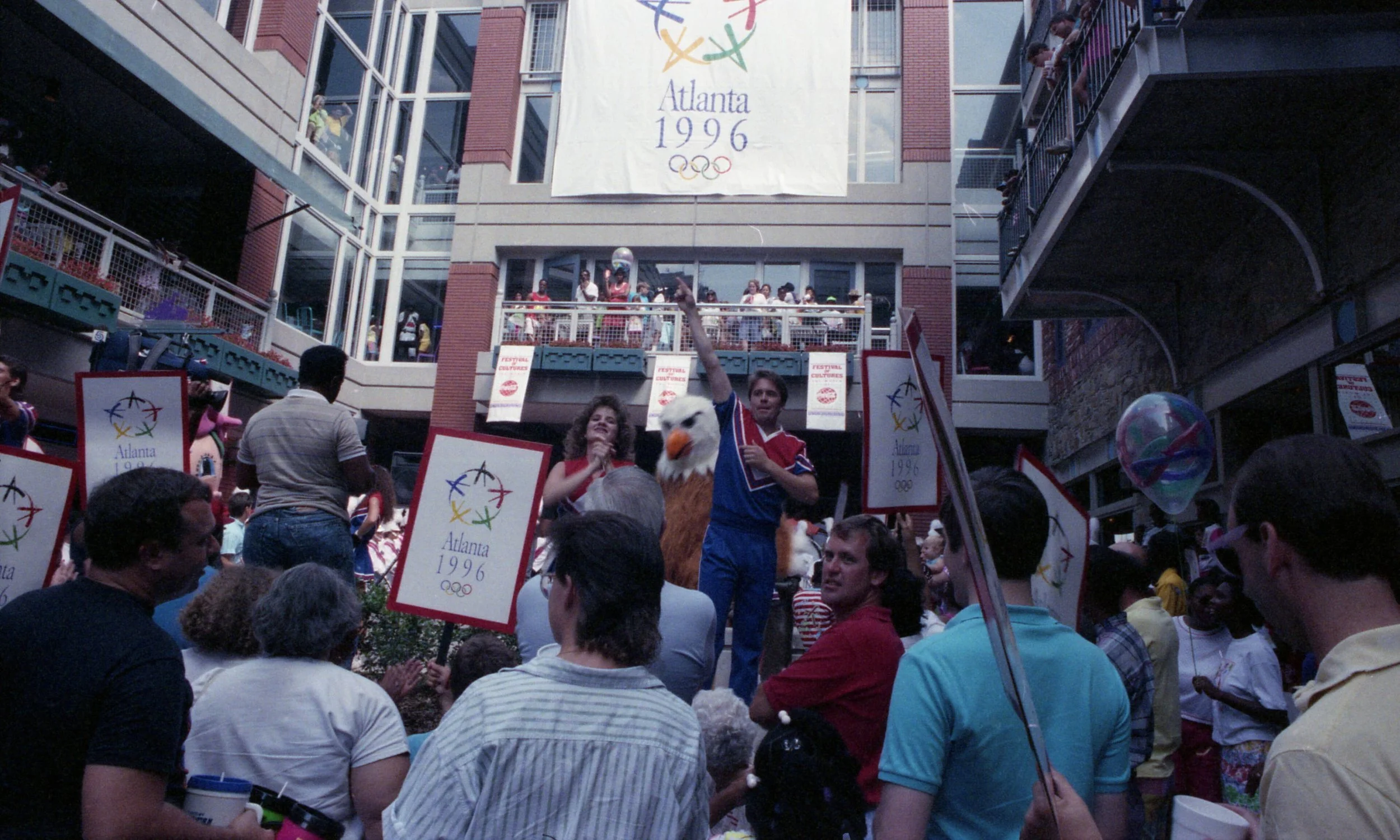
After a $142 million city-backed redevelopment, Underground Atlanta reopened on June 15, 1989, as a major retail and festival marketplace. It served as a central destination for visitor gathering during the 1996 Atlanta Summer Olympics.
2020s–Present
Modern Revitalization & Cultural Hub
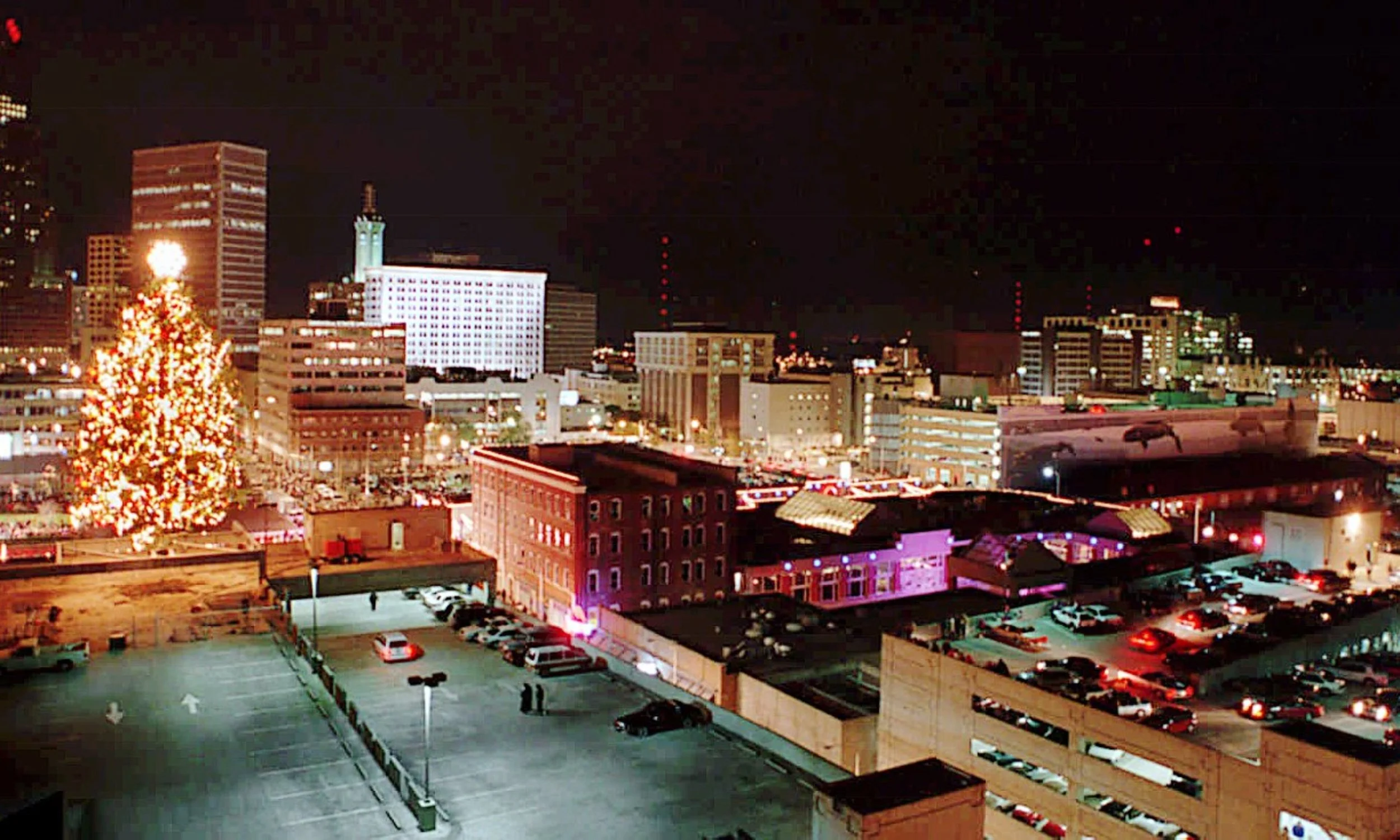
Shaneel Lalani, CEO of Lalani Ventures, purchased the historic 400,000-square-foot, four-city-block with a vision to transform the district into Downtown Atlanta’s central hub for art, culture, and entertainment.

Underground now hosts thousands of events annually and draws over 1,000,000 visitors per year into the heart of downtown.
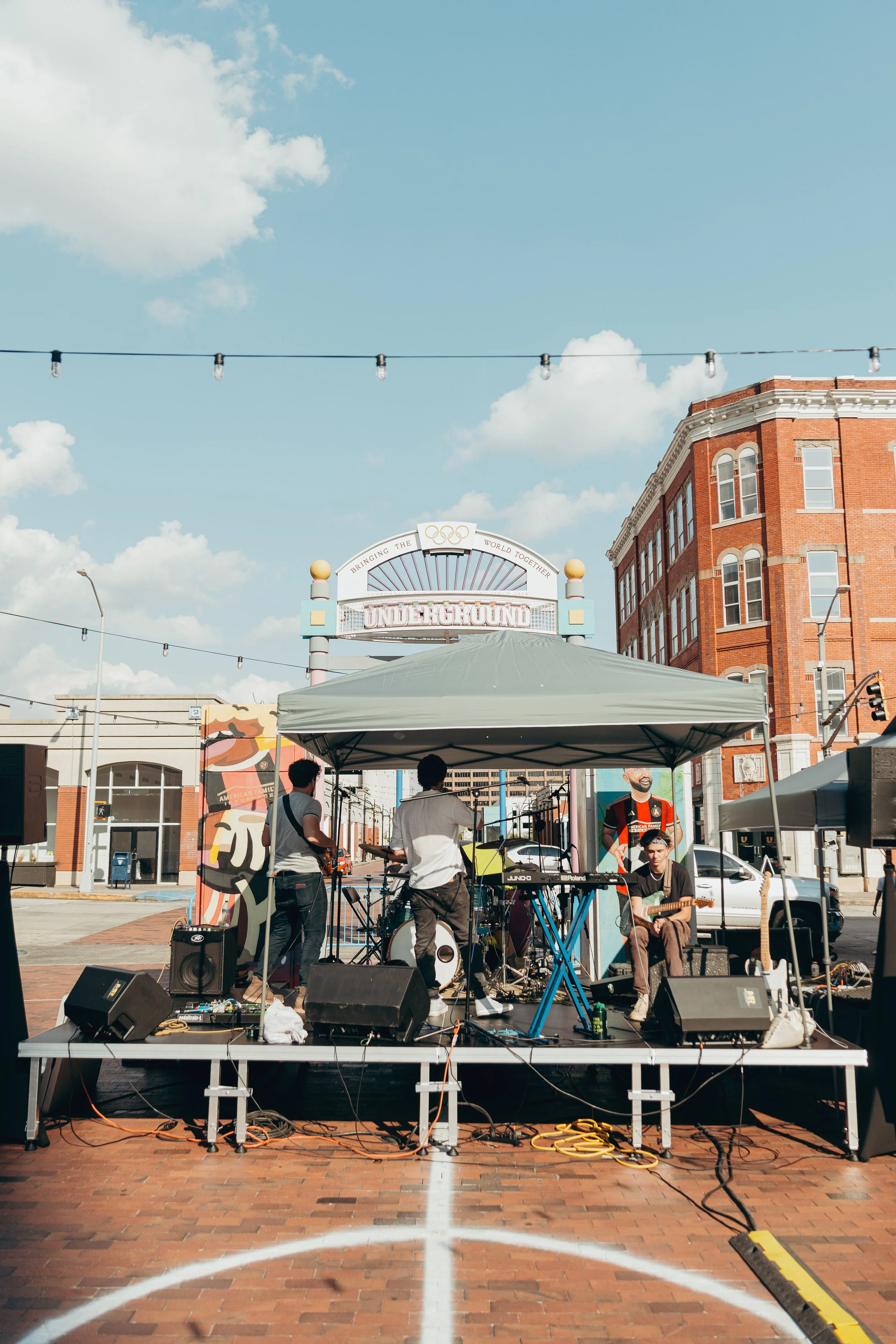
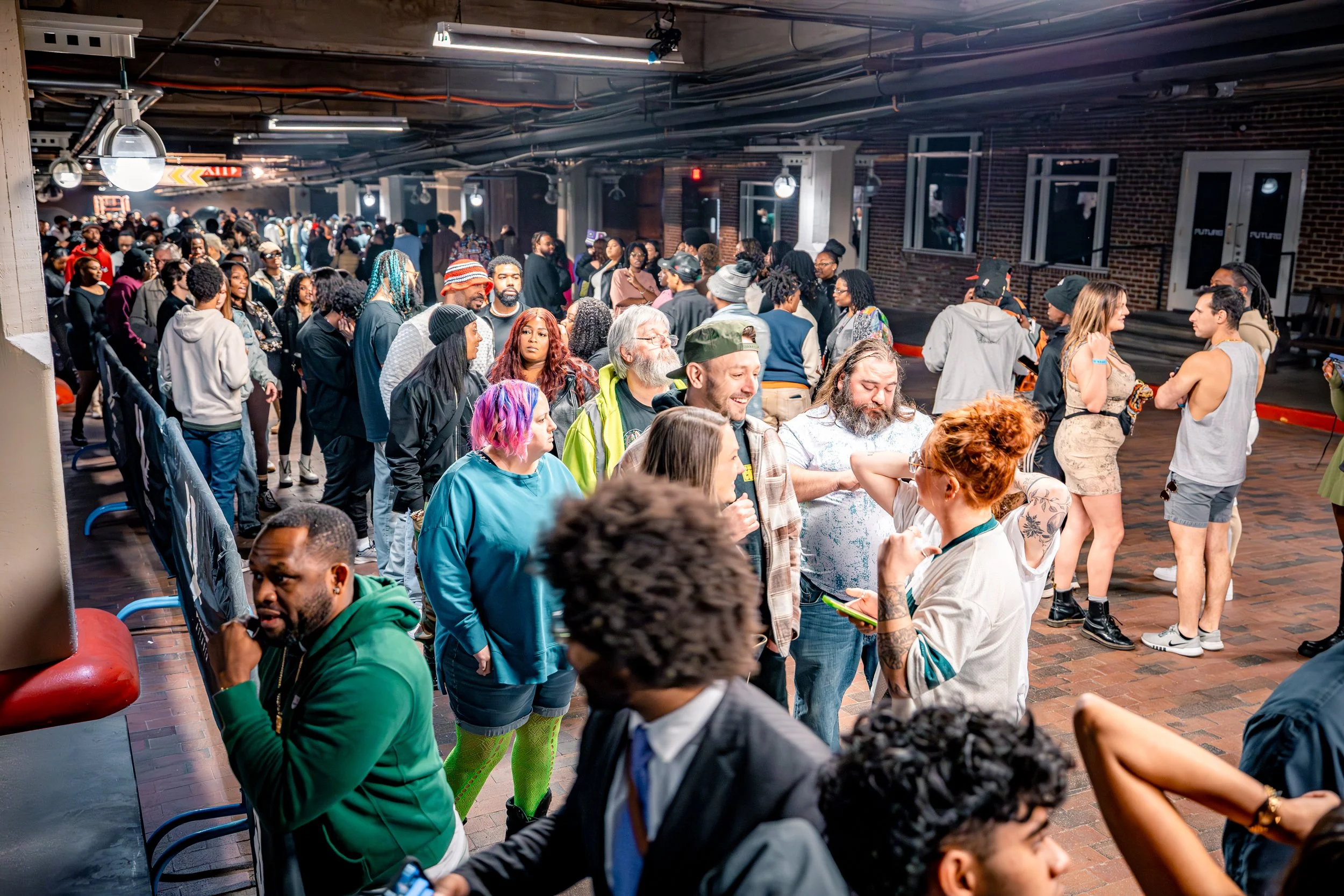
The site now features live music, restaurants & lounges and concert venues, artist studios, alongside pop-up retail and art installations.
Expansion continues with plans centered around a revitalized Upper Alabama Street.
UA hosts major watch parties and activations serving local sports fans and international crowds ahead of global events like the 2026 FIFA World Cup.